
Lay the foundation for lifelong health with minimally-invasive tongue tie and lip tie release. Schedule your visit today.

The Importance of Tongue & Lip-Tie Release
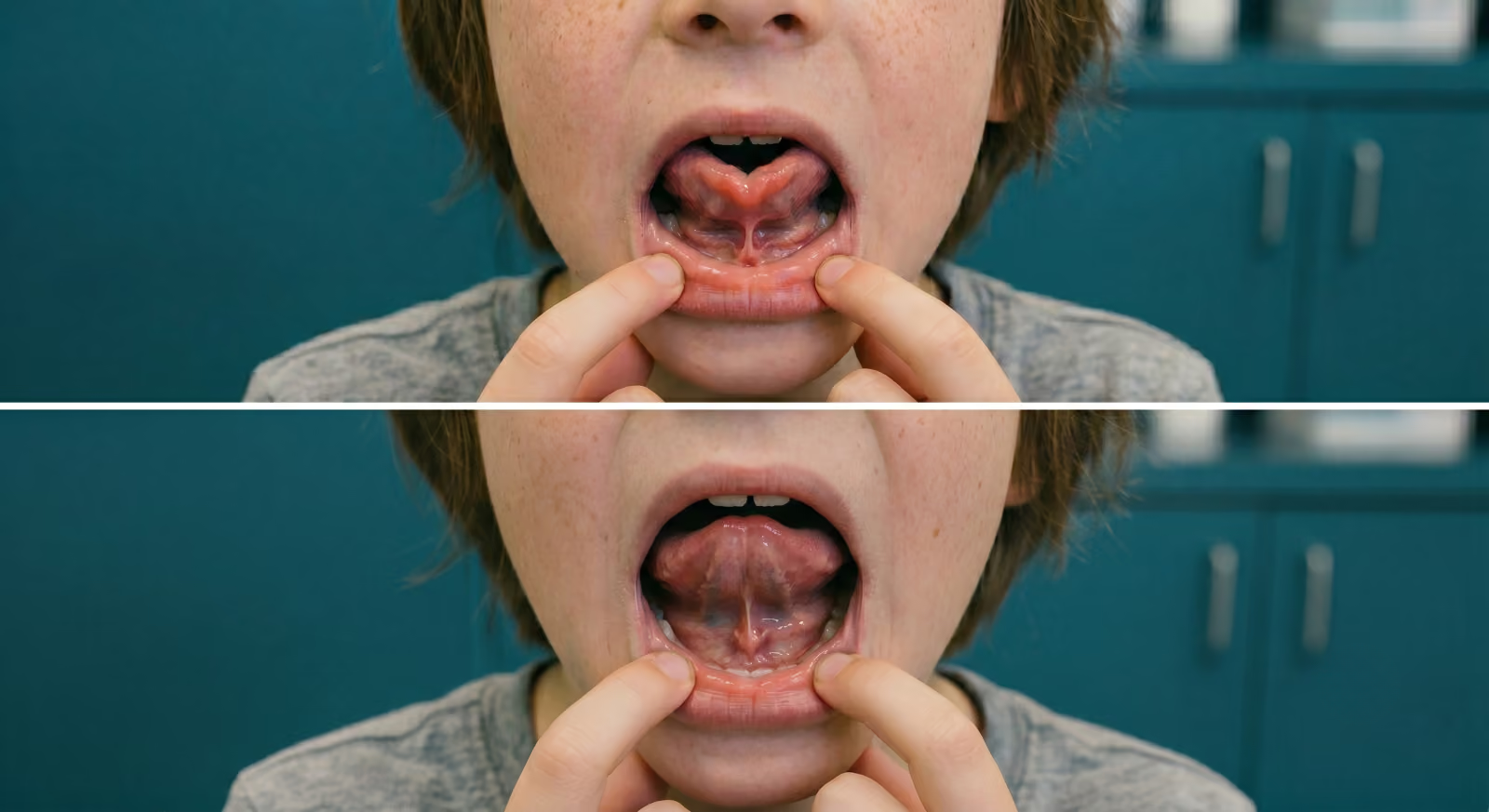
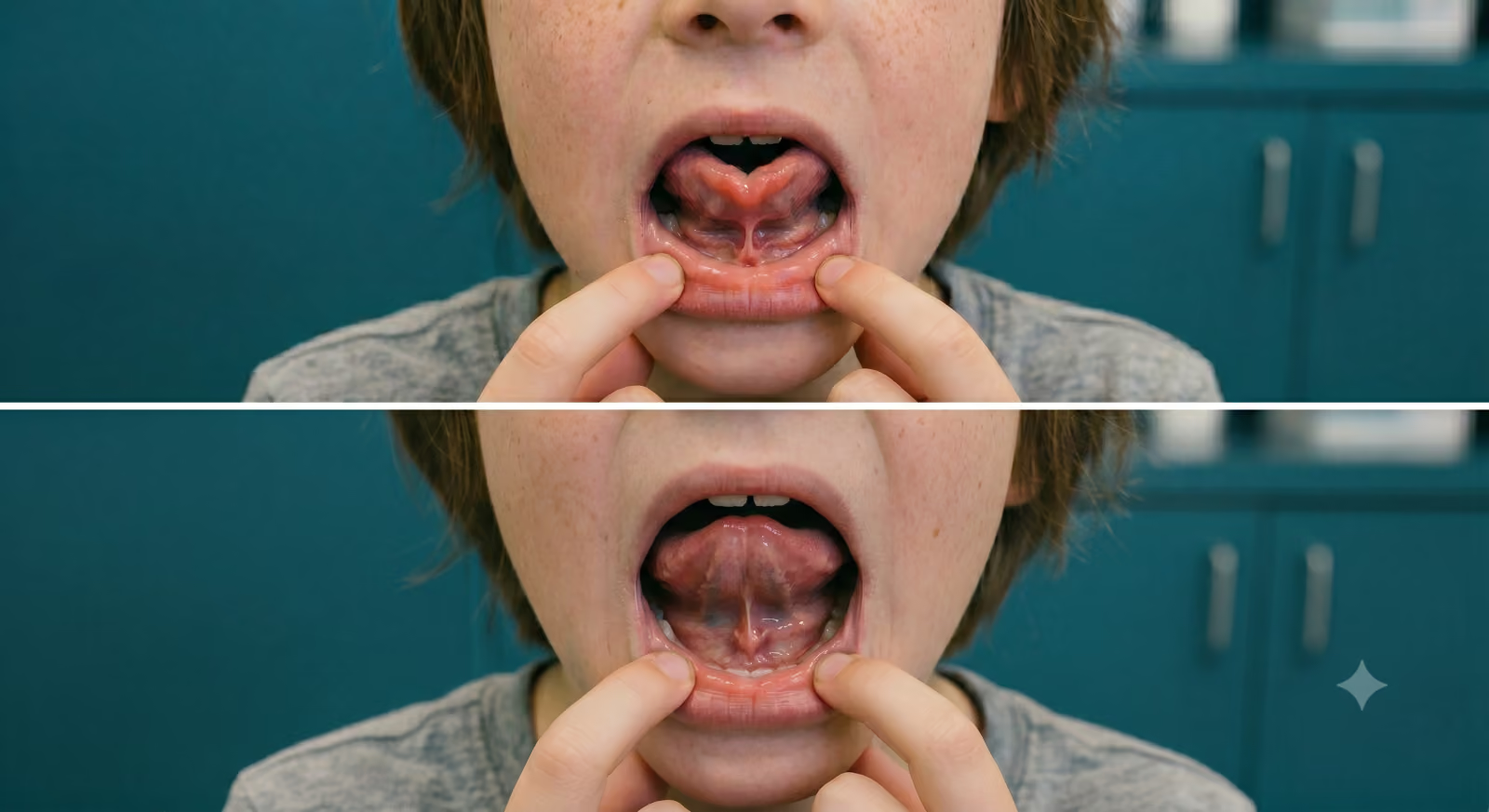
A tongue-tie occurs when the frenulum—the tissue connecting the bottom of the tongue to the floor of the mouth—is too short or tight, limiting tongue movement. A lip-tie involves a similarly restrictive attachment between the upper lip and the gums. In older children and adults, these conditions can lead to challenges with speech, eating, breathing, posture, and overall oral function. Left untreated, they may contribute to chronic mouth breathing, jaw pain, or even sleep-disordered breathing. Frenectomies—precise procedures that release these ties—combined with myofunctional therapy, help restore proper tongue and lip mobility. This integrative approach supports healthy oral function, improved airway health, and long-term wellness.



Benefits of Tongue & Lip-Tie Release

Improved Breastfeeding
Releasing a tongue or lip tie can significantly enhance an infant's ability to latch onto the breast, promoting more efficient and effective breastfeeding. This improvement not only ensures the infant receives essential nutrition for growth and development but also reduces discomfort and pain for breastfeeding mothers, making the experience more pleasant and fostering a stronger mother-child bond during these crucial early stages of life.
Prevents Future Dental Issues
Early intervention to correct tongue and lip ties prevents a host of potential future dental issues, including gaps between teeth, dental crowding, and misalignment. By promoting normal oral development from the outset, frenectomy procedures decrease the likelihood of requiring extensive orthodontic treatments later in life. Additionally, proper tongue and lip function contributes to better oral hygiene, as unrestricted movement allows for more effective cleaning of teeth and gums, reducing the risk of cavities and gum disease.
Supports Speech Development and Airway Health
Addressing tongue and lip ties early in life is essential for the development of clear and normal speech patterns. Restrictions in tongue and lip movement can lead to delays in speech development and articulation problems, which can impact social interactions and academic performance in the future. Furthermore, ensuring the tongue can move freely helps maintain an open airway, which is crucial for normal breathing and can prevent issues related to sleep apnea and snoring as the child grows.

Tongue-Tie & Lip-Tie Treatment
O2dontics utilizes the latest in technology and therapeutic practices, we ensure a minimally invasive, highly effective approach to each unique case, prioritizing the comfort and well-being of our youngest patients and their families.
Laser Tongue-Tie Release
Laser Tongue-Tie Release
Laser Tongue-Tie Release
Tongue-tie, or ankyloglossia, can limit a child’s tongue mobility and impact feeding, speech, and oral development. We use the advanced Fotona laser to gently release the restricted tissue with precision and minimal discomfort. This laser method reduces bleeding, eliminates the need for stitches, and promotes faster healing. For infants, it often leads to a more effective and comfortable breastfeeding experience—for both baby and parent.
Laser Lip & Cheek-Tie Release
Laser Lip & Cheek-Tie Release
Laser Lip & Cheek-Tie Release
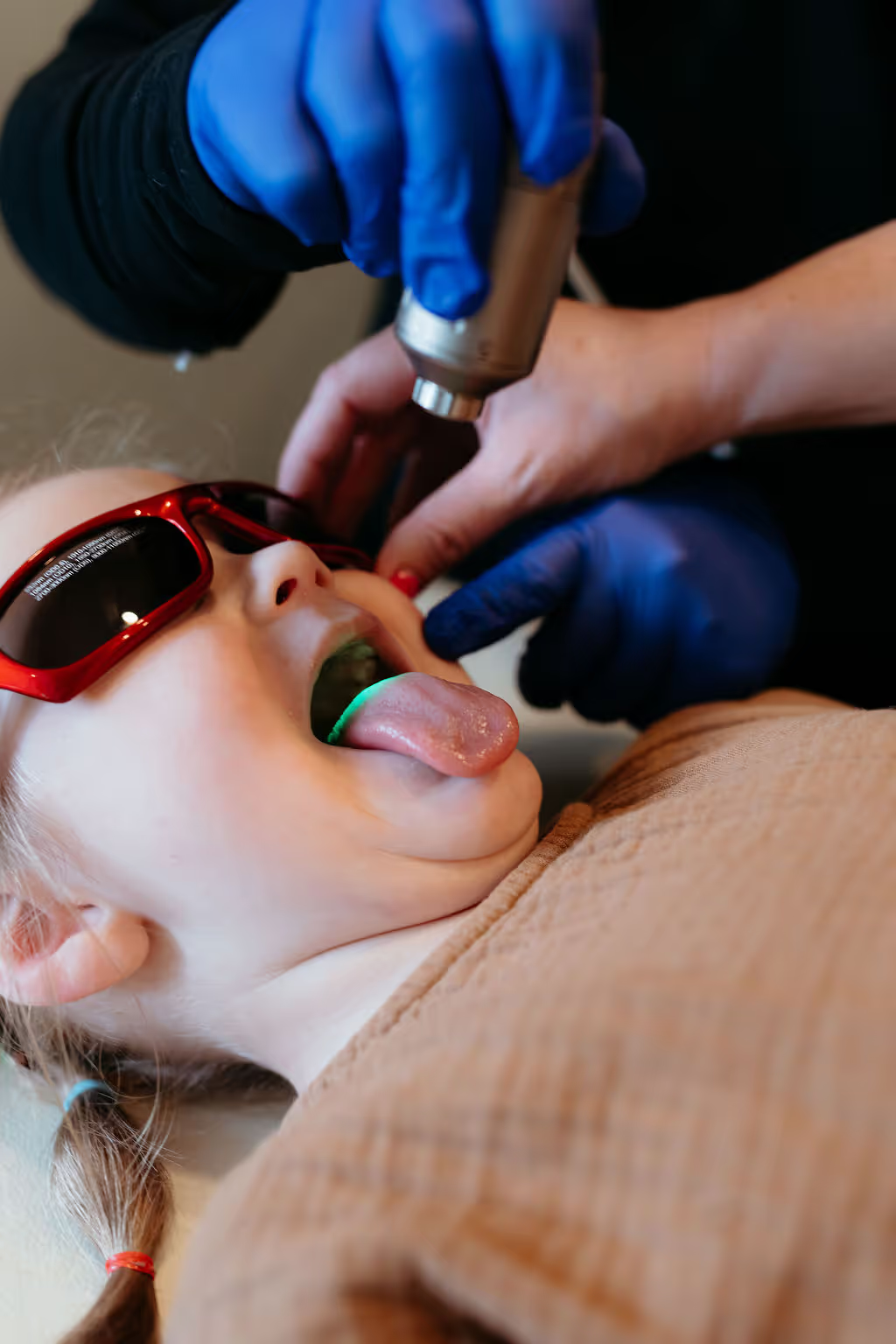
Lip and cheek ties can interfere with proper latch, feeding, and facial development. Using the same gentle Fotona laser, we perform precise frenectomies to release these tight tissues with minimal discomfort and virtually no bleeding. This quick, stitch-free procedure supports improved oral function, encourages better muscle movement, and leads to a smoother recovery—often helping infants feed more easily and thrive.

Myofunctional Therapy
Myofunctional Therapy
Myofunctional Therapy
Post-frenectomy, myofunctional therapy plays a crucial role in retraining the tongue and lip muscles to function optimally. This therapy involves specific exercises tailored to improve motor skills like sucking, swallowing, and later, speech development. It's essential for maximizing the benefits of the frenectomy, supporting overall oral health and function.

OraLase Therapy
OraLase Therapy
OraLase Therapy
OraLase is a state-of-the-art laser therapy designed to reduce inflammation, promote healing, and calm the nervous system. It’s especially helpful after tongue tie release to relieve tension in the soft tissues and enhance post-treatment outcomes. Many patients feel relaxed and experience faster recovery with OraLase.
Babylase
Babylase
Babylase
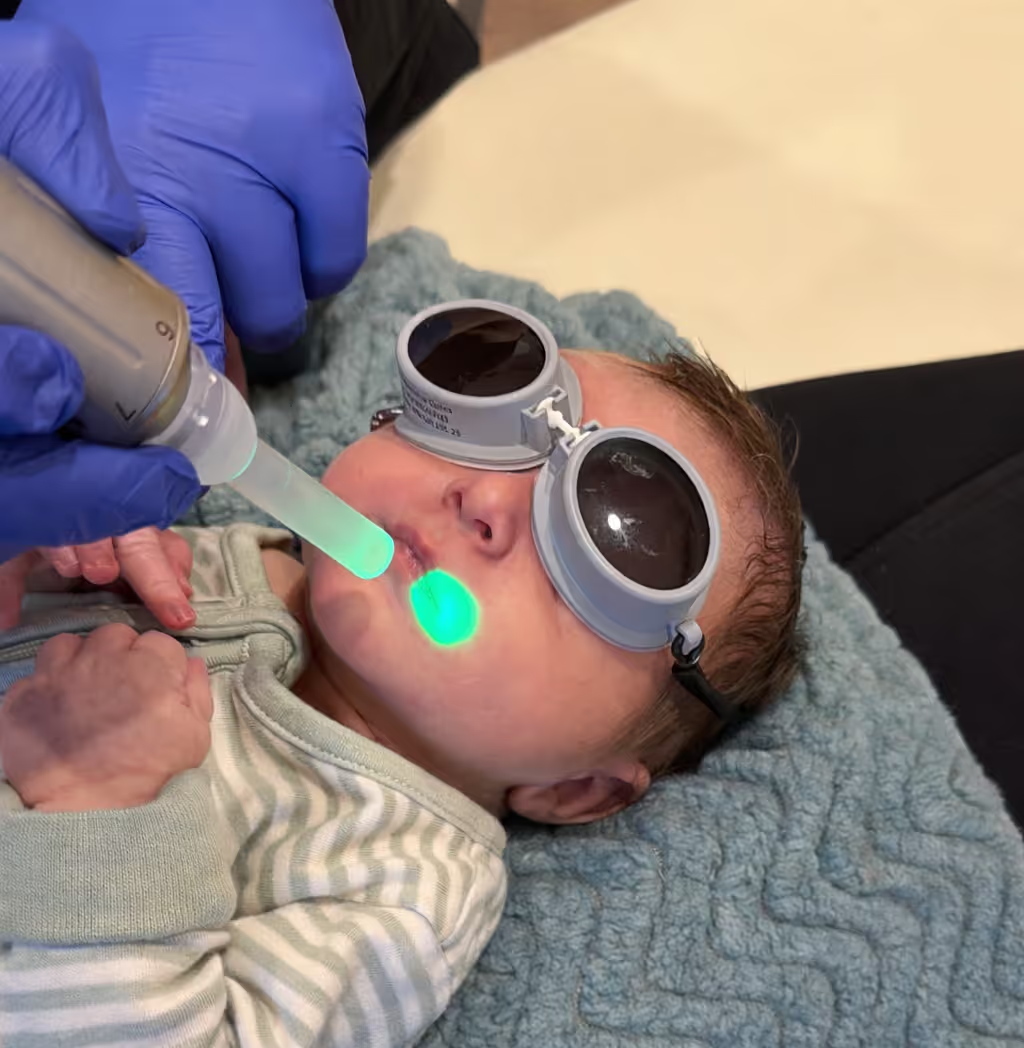
BabyLase is a gentle, non-invasive laser therapy designed to improve oral function in infants struggling with latch, feeding coordination, or early signs of oral restriction. Using the Fotona laser, BabyLase works by stimulating circulation, improving tissue elasticity, and helping release tension within the oral and facial muscles. This can enhance tongue mobility and feeding mechanics without the need for a surgical procedure in many cases. For some babies, BabyLase can be used as a standalone therapy to improve latch and comfort during breastfeeding or bottle feeding. In other cases, it may be used before or after a tongue- or lip-tie release to improve healing, reduce tension, and support better functional outcomes. The goal is always to support comfortable feeding, proper oral development, and a positive experience for both baby and parent.
Cranial Work
Cranial Work
Cranial Work
After a tongue-tie release, it’s common for patients to experience shifts in the cranial and fascial system. That’s because the fascia beneath the tongue extends through the floor of the mouth and connects to structures throughout the body. Releasing that tension can trigger changes in head, neck, and postural alignment. Dr. Scoppa is an essential part of our integrative care. His approach helps the body adapt to these changes, promoting healthy movement, structural balance, and optimal healing.
FAQs
Have questions? We have answers.
How do I know if my child or I might need a frenectomy?
Signs of a restrictive tongue or lip tie can include difficulty eating, speech challenges, mouth breathing, or trouble keeping the lips closed at rest. We identify this during our Foundations phase of early orthodontics. We can also identify the signs if a child is working with a myofunctional therapist or speech pathologist. In adults, symptoms may also include snoring, tension in the jaw or neck, or TMJ discomfort. A consultation with our team can help determine if a frenectomy is appropriate.
Is a laser frenectomy painful for kids or adults?
Laser frenectomies are minimally invasive and designed for comfort. The laser allows for a quick, precise release with little to no bleeding and minimal discomfort. Most patients resume normal activities the same day and often notice improvements in speech, breathing, or tension soon after.
What is the recovery process like after a frenectomy?
Recovery is typically quick. Myofunctional therapy are recommended before and after the procedure to promote proper tongue posture, encourage nasal breathing, and support long-term oral and facial development. Most patients see noticeable functional improvements within a few weeks.
Why is OraLase important before a tongue or lip-tie release?
OraLase is a gentle, non-invasive laser therapy that helps relax and soften the tissues around a tight tongue or lip-tie—making the release procedure smoother, more comfortable, and more effective. We use OraLase to prepare the muscles and fascia before treatment, reducing tension and improving mobility. This step also supports better healing and function after the release by encouraging natural muscle movement and reducing post-procedure discomfort. OraLase helps ensure that your child not only receives a successful release but also experiences a more complete recovery and long-term improvement.
Can Babylase prevent my baby from needing a surgical release?
In some cases, yes. BabyLase can improve tissue flexibility, circulation, and muscle function in the mouth, which may allow a baby’s tongue and oral tissues to move more freely. For infants with mild restrictions or tension in the oral and facial muscles, this gentle laser therapy can sometimes improve latch, feeding coordination, and comfort without the need for a surgical release.
However, if a baby has a significant anatomical restriction—such as a tight tongue tie that physically limits movement—a surgical release may still be necessary to achieve full function. In these situations, BabyLase can be very helpful before and after a procedure to relax surrounding tissues, improve mobility, and support faster healing.
Our goal is always to take the most conservative, functional approach possible—supporting optimal feeding and development while avoiding unnecessary procedures whenever we can.
Have more questions, fill out the form below
What our patients say
Don’t just take our word for it! Read reviews from patients we’ve helped, and see for yourself what’s possible at O2dontics.

Transform Your Life Today