
Elevate your quality of life and embrace lasting relief from TMJ/TMD discomfort with our advanced, patient-centered therapy solutions. Schedule your visit today.
An Integrated Approach to TMJ/TMD Therapy
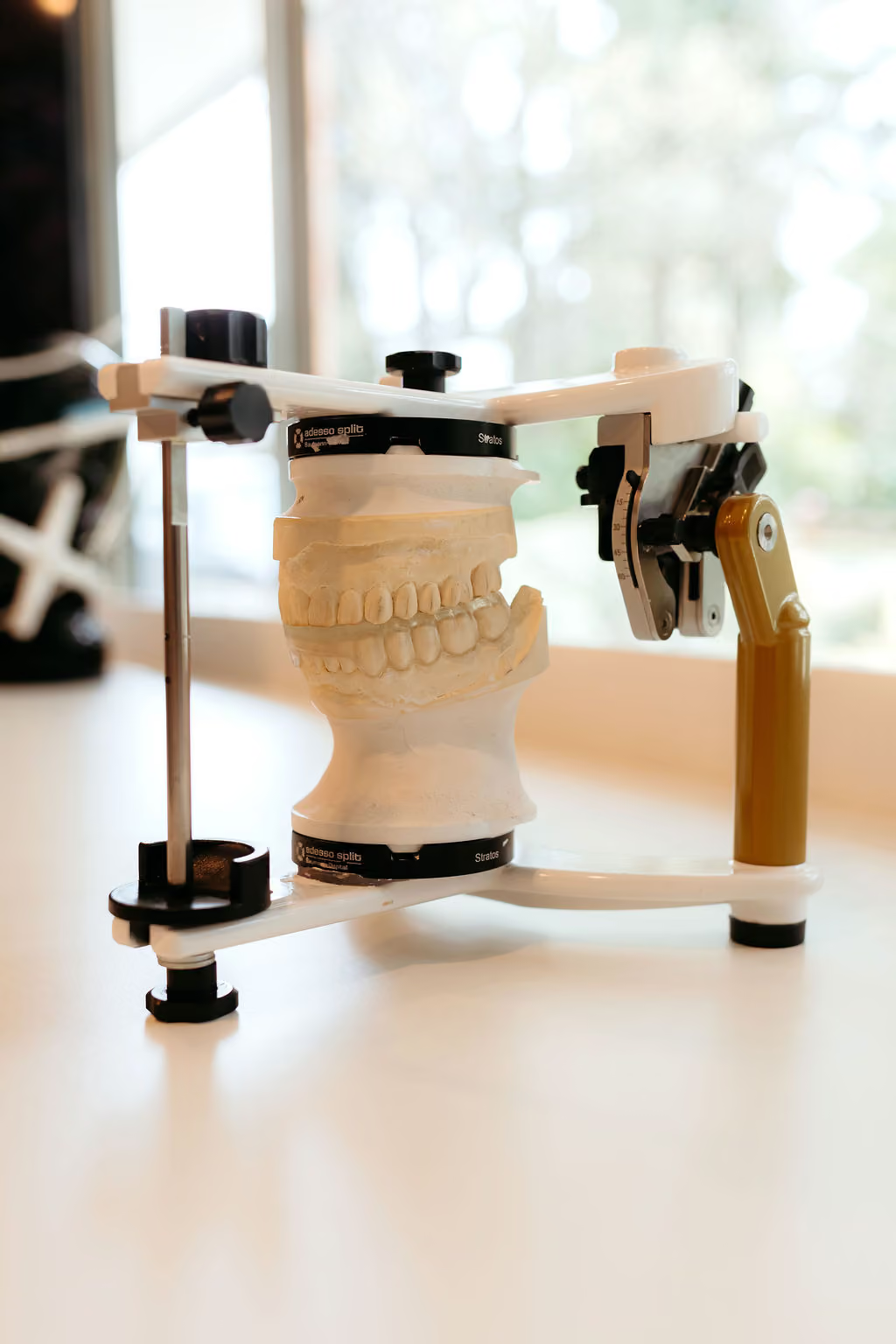
Our approach to Temporomandibular Joint Disorders (TMJ/TMD) is rooted in collaboration, advanced training, and state-of-the-art care. With backgrounds in TMJ therapy, airway-focused early and adult orthodontics, and cutting-edge treatments for snoring and sleep apnea, Dr. Taylor, Dr. Scoppa, and Lily Corley bring together a powerful blend of expertise. Dr. Taylor received extensive training at Occlusion Connections under Dr. Clayton Chan, a top educator and authority on neuromuscular and Gneuromuscular (GNM) dental occlusion. From chiropractic and cranial alignment to craniosacral therapy, massage, reflex integration, and myofunctional therapy, we work as a team to uncover and treat the root causes of jaw pain, headaches, and dysfunction—restoring alignment, easing muscle tension, and delivering long-lasting relief.



Benefits of TMJ/TMD Therapy

Alleviation of Jaw Pain and Discomfort
Our targeted therapy offers significant relief from the constant discomfort associated with TMJ/TMD, including jaw pain, tenderness, and the feeling of tiredness around the jaw muscles. Patients can expect a noticeable reduction in pain, leading to an improved ability to chew, speak, and perform daily activities without the hindrance of discomfort.
Restoration of Normal Jaw Function and Movement
Our approach to TMJ therapy is centered in proper function and physiology; effective TMJ/TMD treatment restores the jaw's natural movement, eliminating difficulties and pain during opening, closing, and chewing. This not only improves the functional aspects of the jaw but also significantly enhances the patient's comfort during eating and speaking, contributing to better nutrition and overall health.
Decrease in Related Symptoms
Addressing the root causes of TMJ/TMD often leads to a dramatic reduction in associated symptoms such as chronic headaches, neck pain, and earaches. By relieving the tension and misalignment in the jaw, our therapy can help diminish the frequency and intensity of these symptoms, offering a profound impact on the patient's overall well-being and quality of life.
Types of TMJ/TMD Therapy
We offer a wide range of TMJ/TMD therapies tailored to address the specific needs of each patient. From cutting-edge diagnostic tools to innovative treatment options, we ensure a comprehensive approach to relieving pain and restoring function.
K7 Evaluation System
K7 Evaluation System
K7 Evaluation System
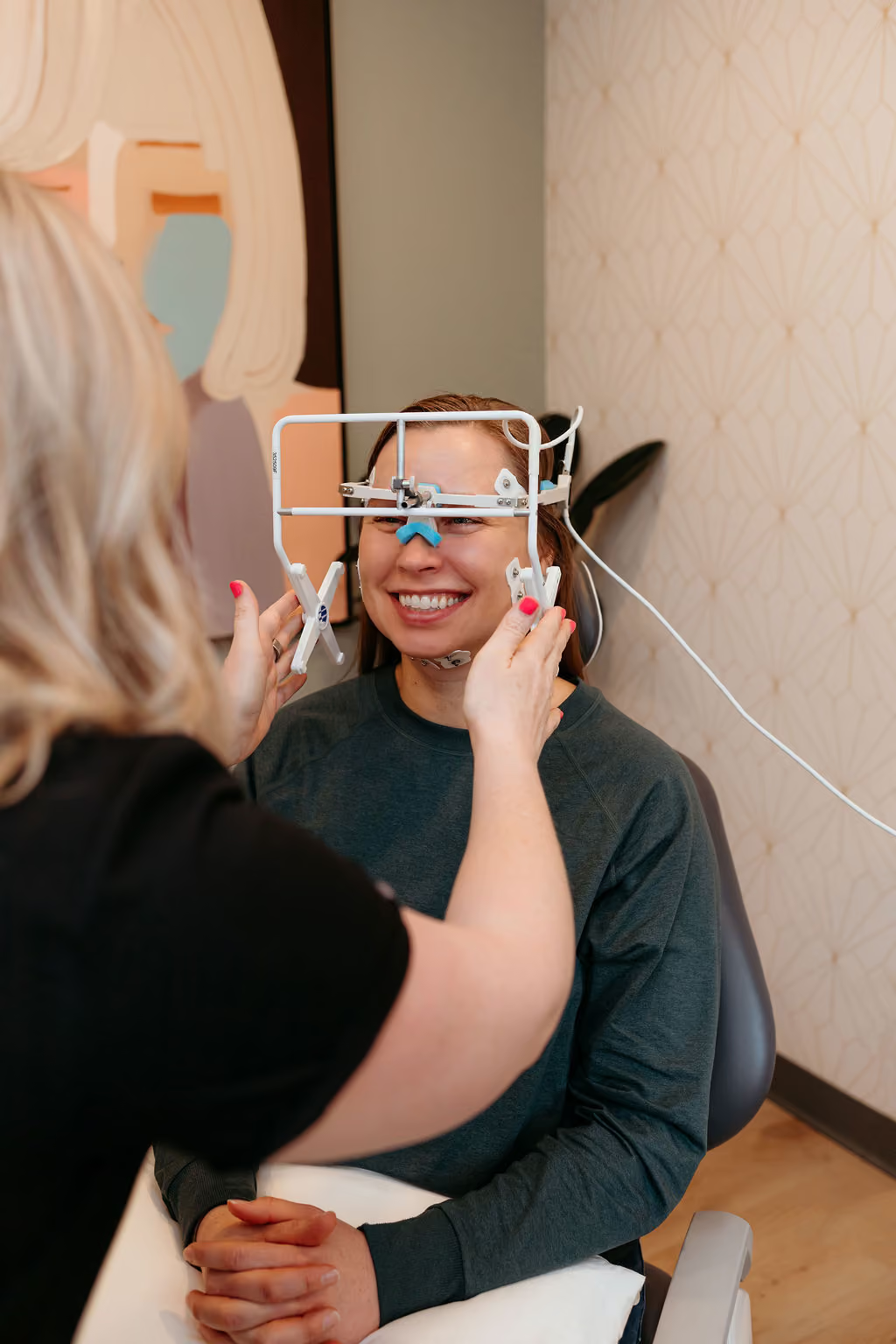
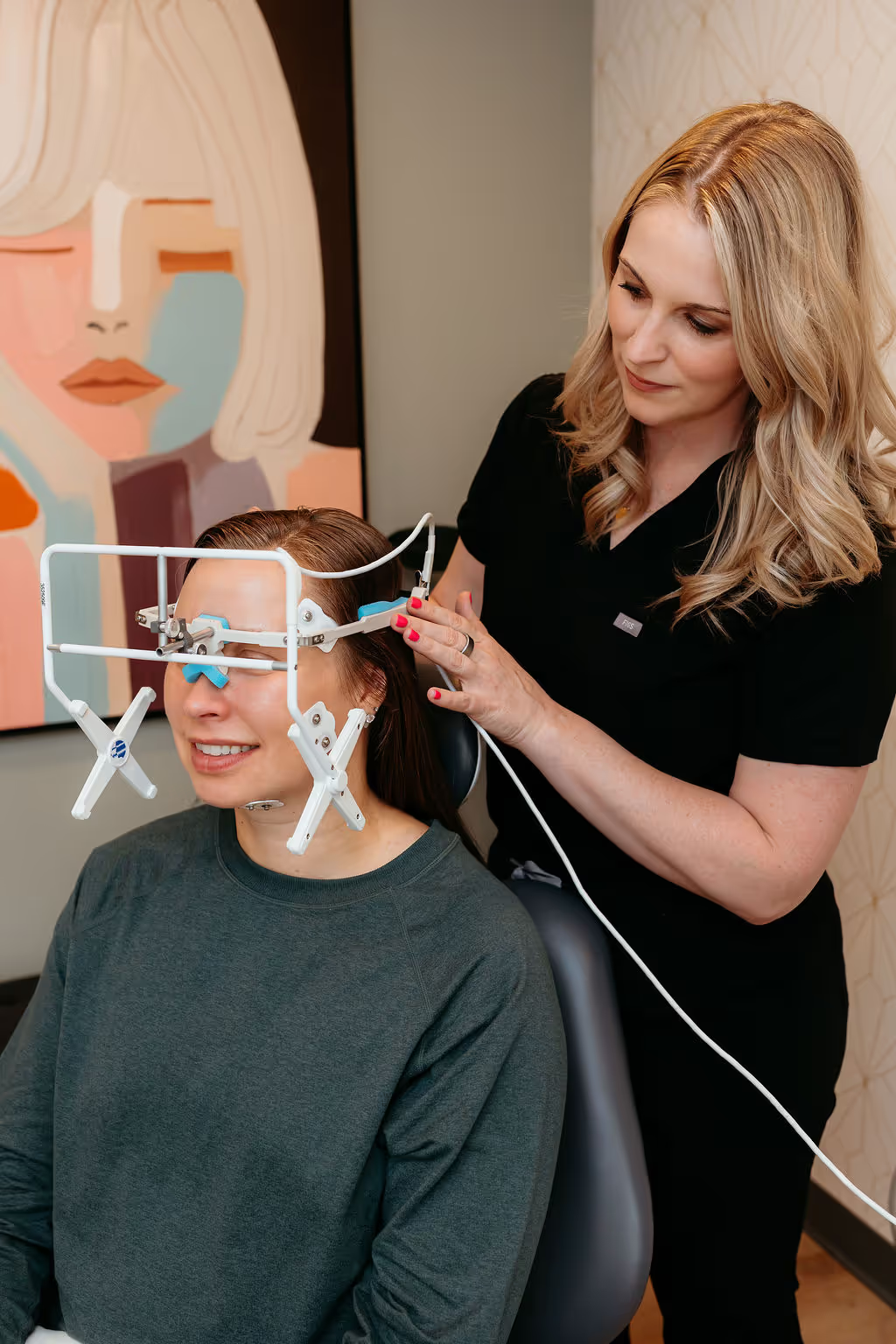
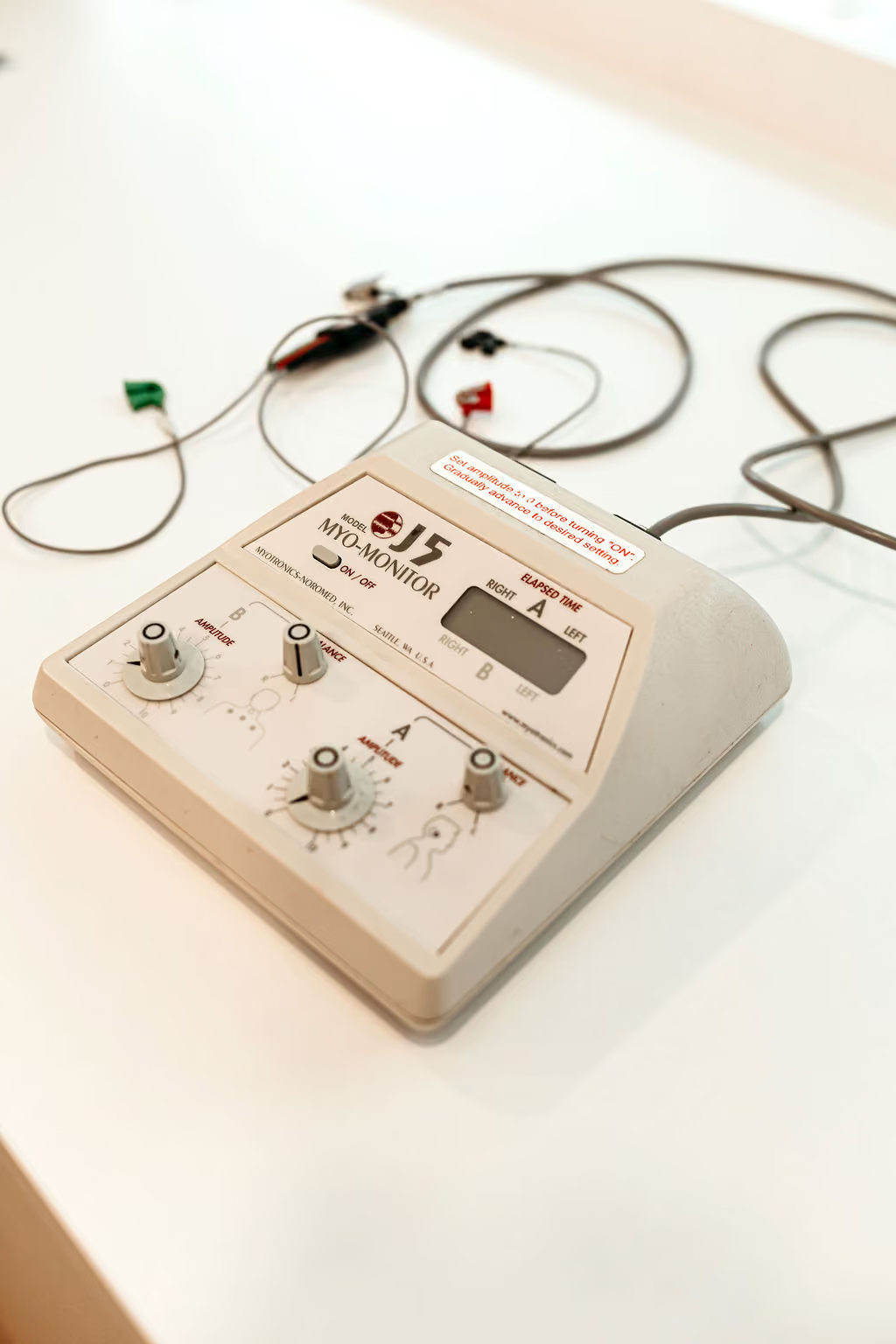
We use the Myotronics K7 Evaluation System to objectively assess muscle activity, jaw movement, and joint sounds as part of a comprehensive Gneuromuscular (GNM) approach to diagnosing and treating TMJ disorders. By recording electromyography (EMG) of the muscles at rest and in function, we can identify areas of strain or imbalance. The system also helps us determine a physiologic, stable jaw relationship—guided by real-time data rather than guesswork. This allows us to create precisely calibrated treatment plans that promote healing, restore balance, and support long-term function.
ULF-TENS
ULF-TENS
ULF-TENS
ULF-TENS (Ultra Low Frequency Transcutaneous Electrical Nerve Stimulation) is a powerful diagnostic and therapeutic aid used to relax the muscles of the head and neck and help uncover the jaw’s true physiologic rest position. By gently stimulating the fifth and seventh cranial nerves, ULF-TENS deprograms habitual muscle patterns, allowing hyperactive or strained muscles—such as the masseter, temporalis, and pterygoids—to return to a neutral, relaxed state. This process is not a treatment in itself, but a vital part of our Gneuromuscular approach, helping us accurately identify the most stable and balanced jaw position for long-term function and relief.
GNM Orthotic
GNM Orthotic
GNM Orthotic
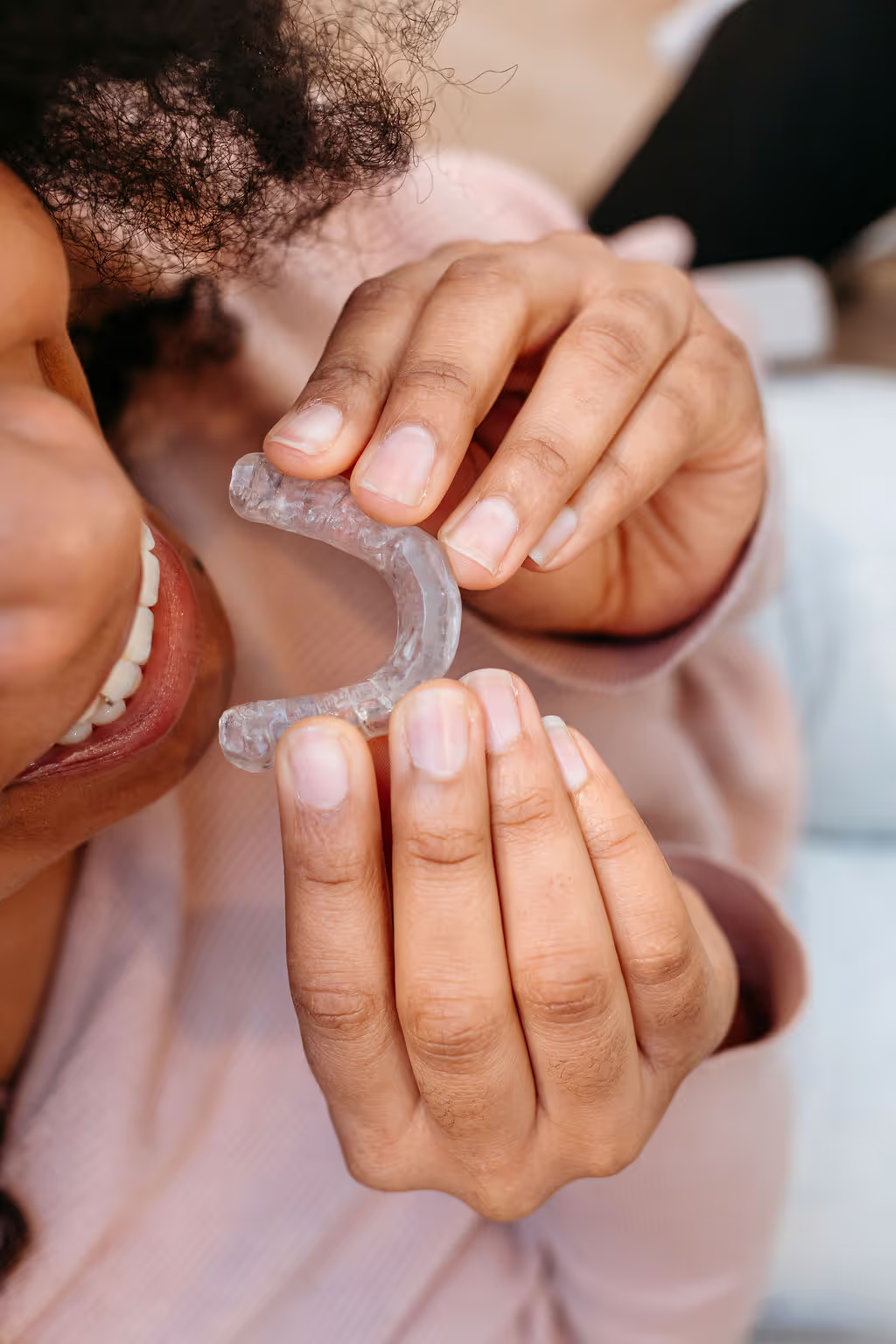
A GNM orthotic is a precision-crafted appliance designed to support the jaw in its optimal physiologic position—where muscles, joints, and function are in complete harmony. Rooted in both neurological principles and gnathology, Gneuromuscular Dentistry represents the perfect marriage of how the nervous system guides muscle activity and how the teeth and joints should come together. Unlike traditional orthotics or even standard neuromuscular ones, a GNM orthotic not only identifies a position of rest, but also fine-tunes the bite to support smooth, functional jaw movement. It’s built to feel like a natural extension of your body—stable, balanced, and responsive. This is the GNM difference: form, function, and physiology working together.
Electrosonography (ESG)
Electrosonography (ESG)
Electrosonography (ESG)
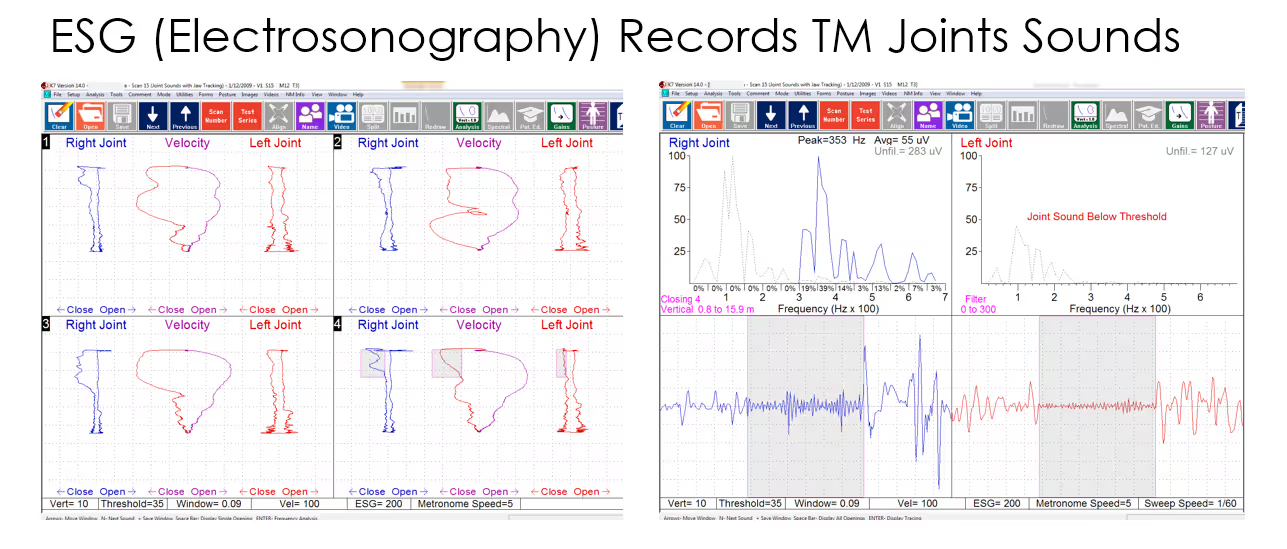
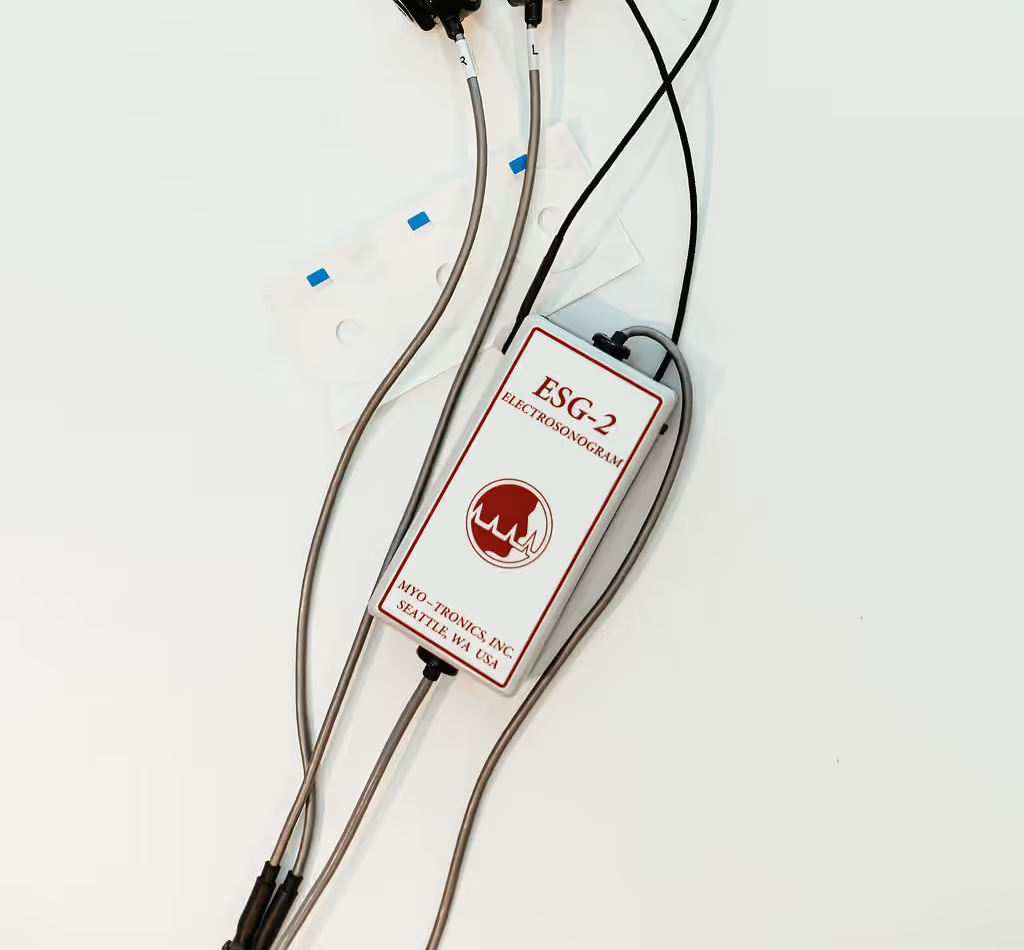
Electrosonography (ESG) is a non-invasive diagnostic tool we use to evaluate the health of your temporomandibular joints (TMJs). As you open and close your jaw, ESG uses sensitive microphones to record the sounds your joints make. In a healthy TMJ, movement is smooth and silent—but if there’s internal damage, such as disc displacement or joint degeneration, it often produces clicking, popping, or grinding sounds that ESG can detect and analyze.This technology allows us to objectively assess joint function and pinpoint problems early, even before you feel pain. ESG is part of our comprehensive diagnostic process to ensure your treatment is based on accurate, data-driven insights.
Deep Photobiomodulation Therapy
Deep Photobiomodulation Therapy
Deep Photobiomodulation Therapy
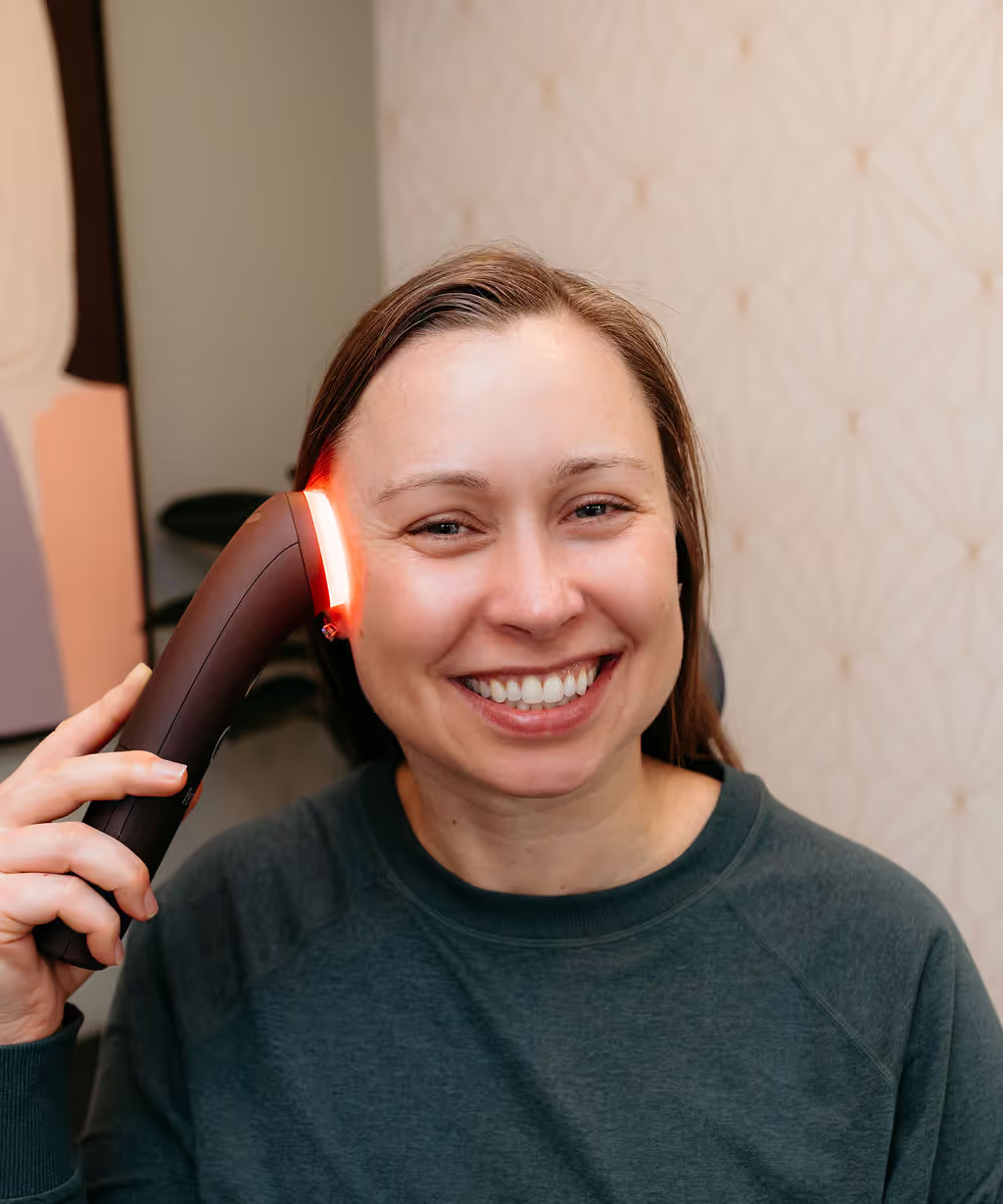
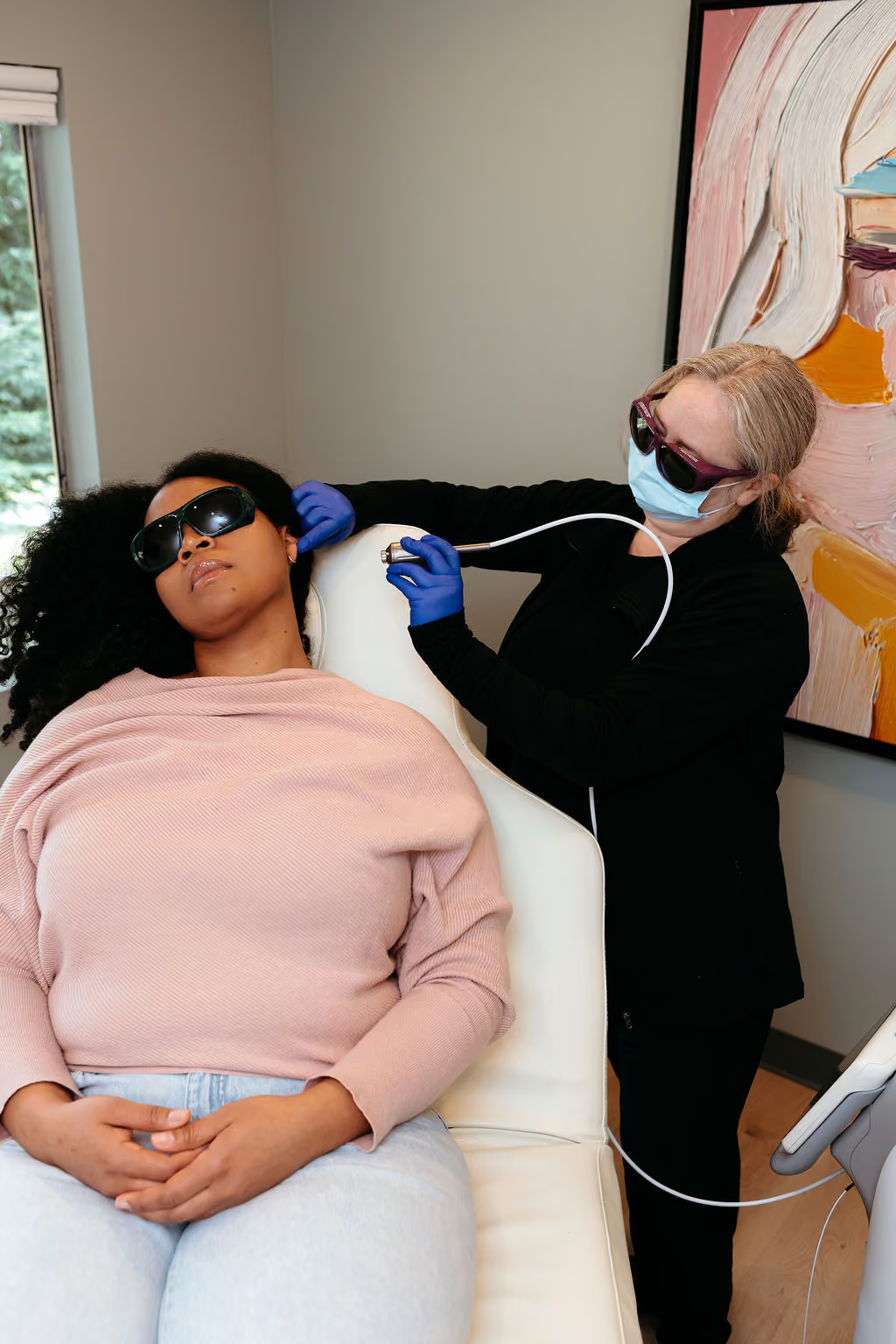
Deep photobiomodulation is a non-invasive light therapy used to reduce pain and support healing in patients with TMJ disorders (TMD). Using specific wavelengths of light, this therapy penetrates deep into the muscles and joints of the jaw to stimulate cellular energy production, improve circulation, and reduce inflammation. By helping the body repair damaged tissues and relax overactive muscles, photobiomodulation can decrease jaw pain, improve range of motion, and support healthier joint function. This comfortable therapy is often used alongside other TMJ treatments to accelerate healing and help patients experience faster, longer-lasting relief.
Red Light Therapy
Red Light Therapy
Red Light Therapy
Red Light Therapy is a treatment modality that uses specific wavelengths of light to improve circulation, reduce inflammation, and stimulate healing in the tissues affected by TMJ disorders, offering a pain-free path to symptom relief.
Botox Therapy
Botox Therapy
Botox Therapy
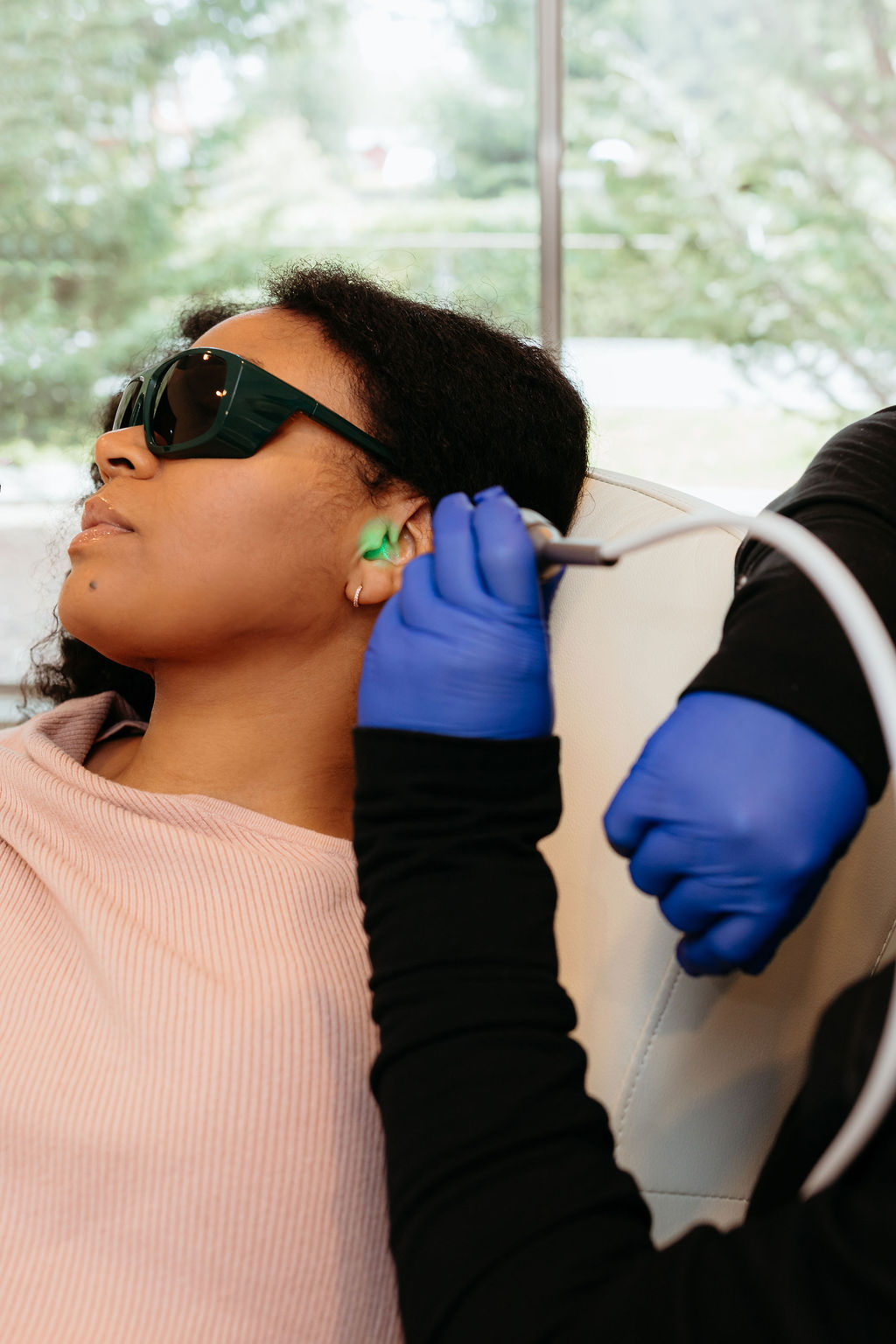
Botox injections can be a helpful short-term solution for relieving TMJ-related muscle tension and pain. By temporarily relaxing overactive jaw muscles, Botox may reduce symptoms like headaches and improve comfort. However, it’s important to understand that this is a palliative treatment—it does not address the root causes of TMJ disorders. We may use it selectively to help patients get out of pain while we work toward long-term, functional solutions.
Oralase Therapy
Oralase Therapy
Oralase Therapy
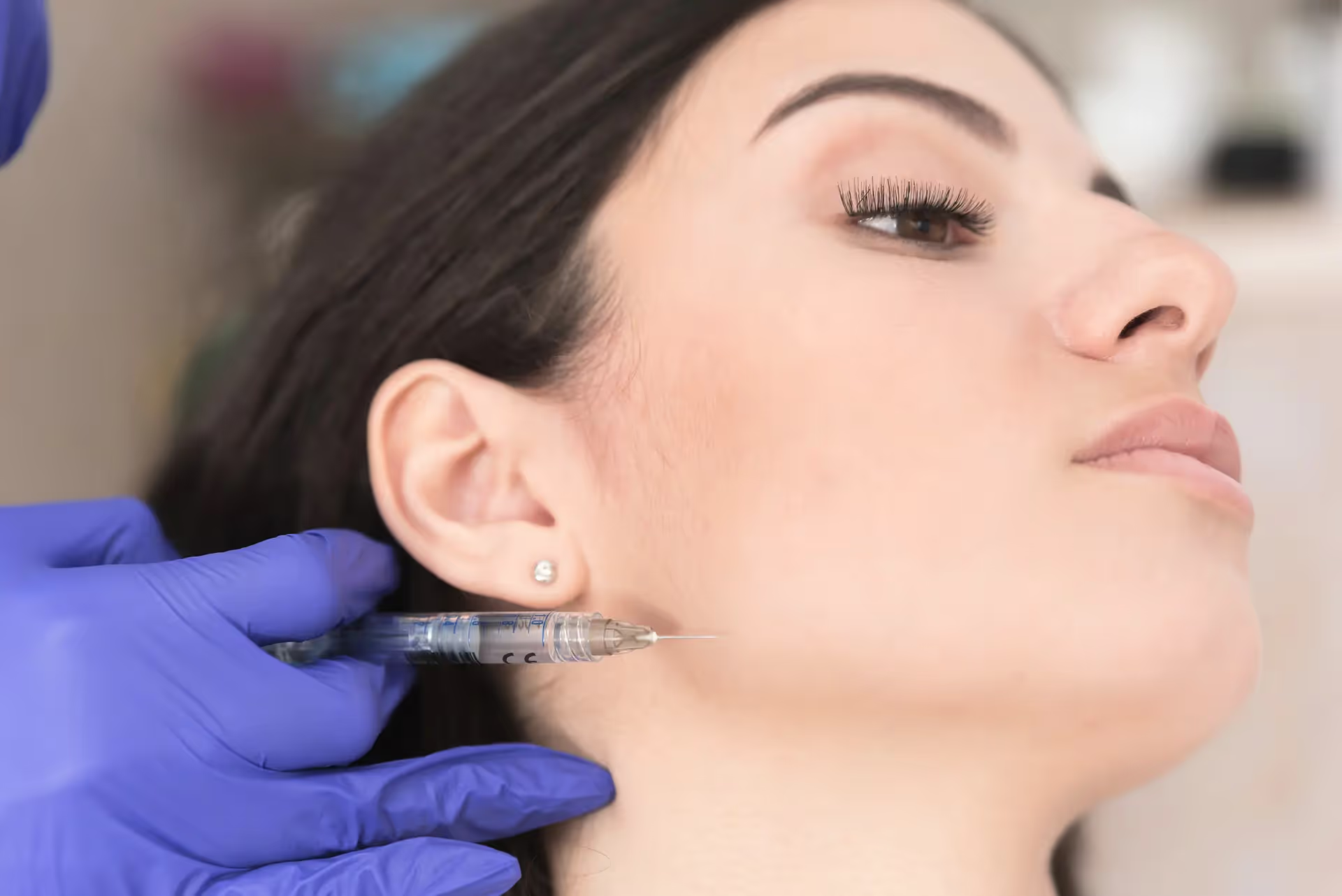
We offer advanced Oralase therapy using the Fotona laser to provide targeted relief for TMJ pain and dysfunction. This cutting-edge technology works by breaking fascia away from muscle tissue, effectively releasing tension and adhesions that contribute to jaw pain, limited movement, and associated symptoms.
Myofunctional Therapy
Myofunctional Therapy
Myofunctional Therapy
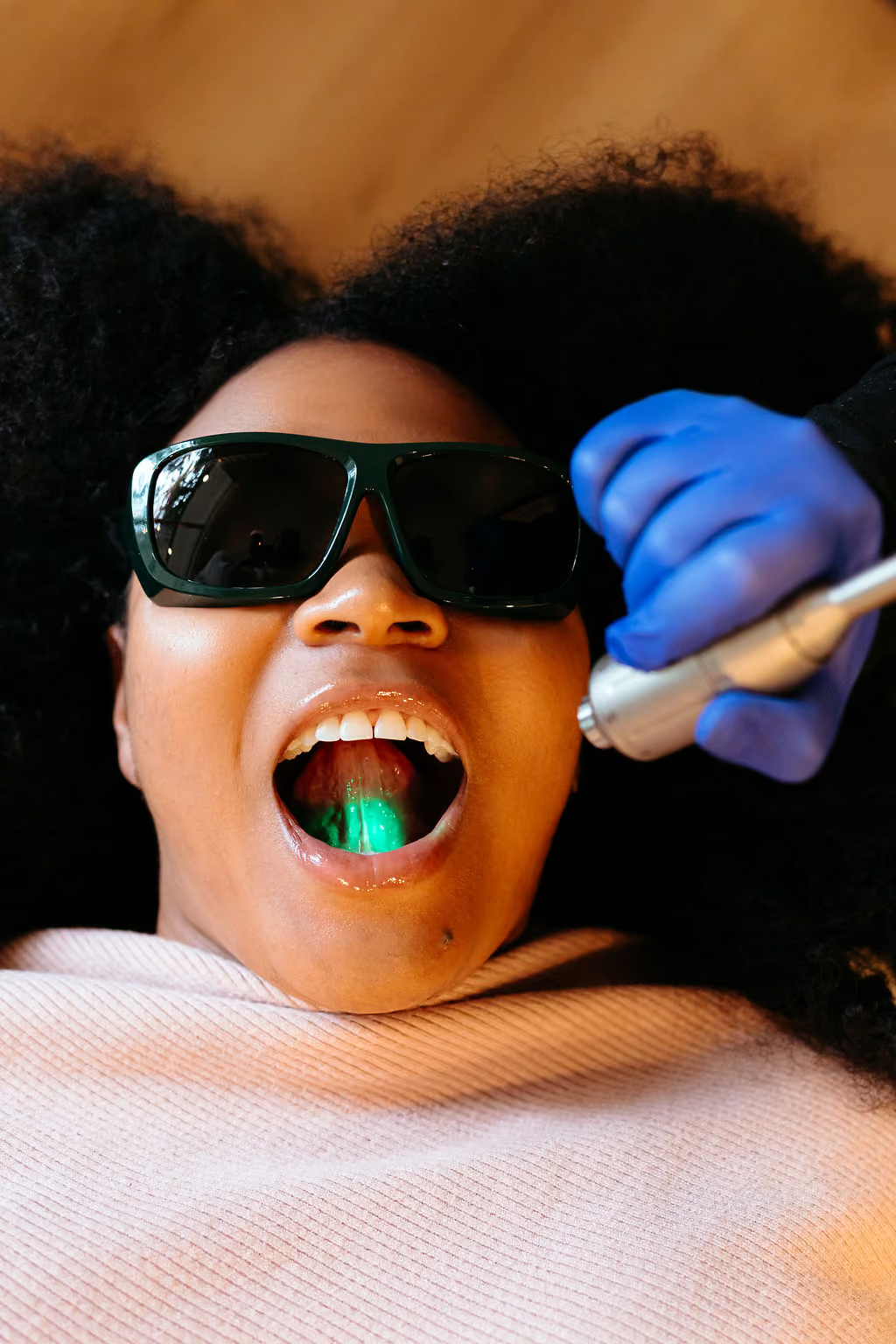
Myofunctional therapy at O2dontics addresses improper muscle patterns that contribute to TMJ disorders, breathing difficulties, and dental misalignment. Our specialist works with you to retrain the muscles of your face, mouth, tongue, and throat through customized exercises that correct issues like tongue thrust, mouth breathing, and incorrect swallowing patterns.

SOT Chiropractic (Sacral-Occipital Technique)
SOT Chiropractic (Sacral-Occipital Technique)
SOT Chiropractic (Sacral-Occipital Technique)
Dr. Jason Scoppa offers SOT chiropractic, a gentle, indicator-based technique that restores balance to the spine, pelvis, and cranium. Each visit is tailored to what your body needs that day, whether that’s pelvic blocking, cranial releases, or gentle spinal adjustments.
SOT is especially helpful for TMJ pain, headaches, clenching and grinding, and airway issues because it addresses not just the spine but also the cranial system and nervous system. Many patients notice improved posture, less tension, and better sleep as their body finds a more stable and relaxed state.
Intraoral Massage
Intraoral Massage
Intraoral Massage
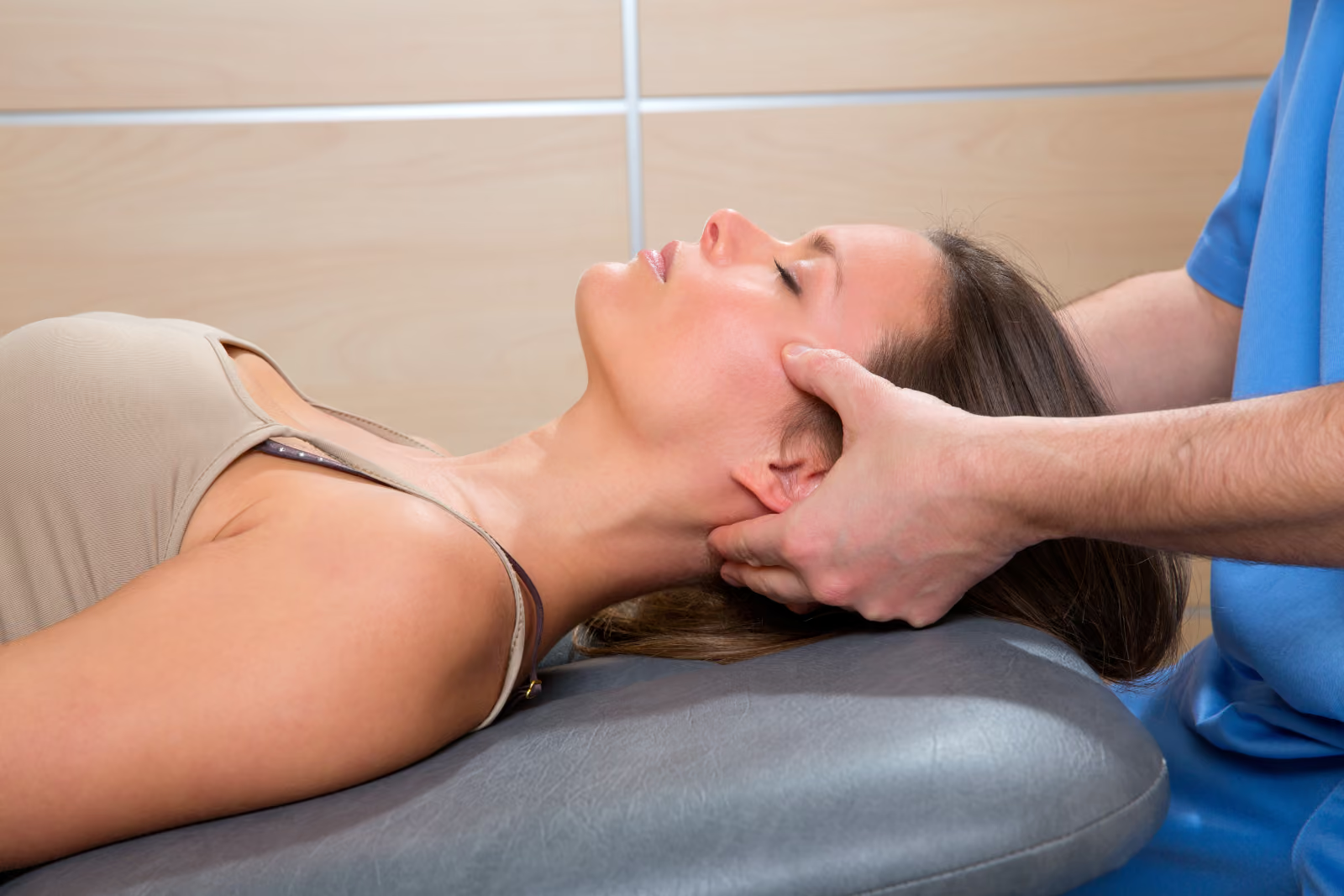
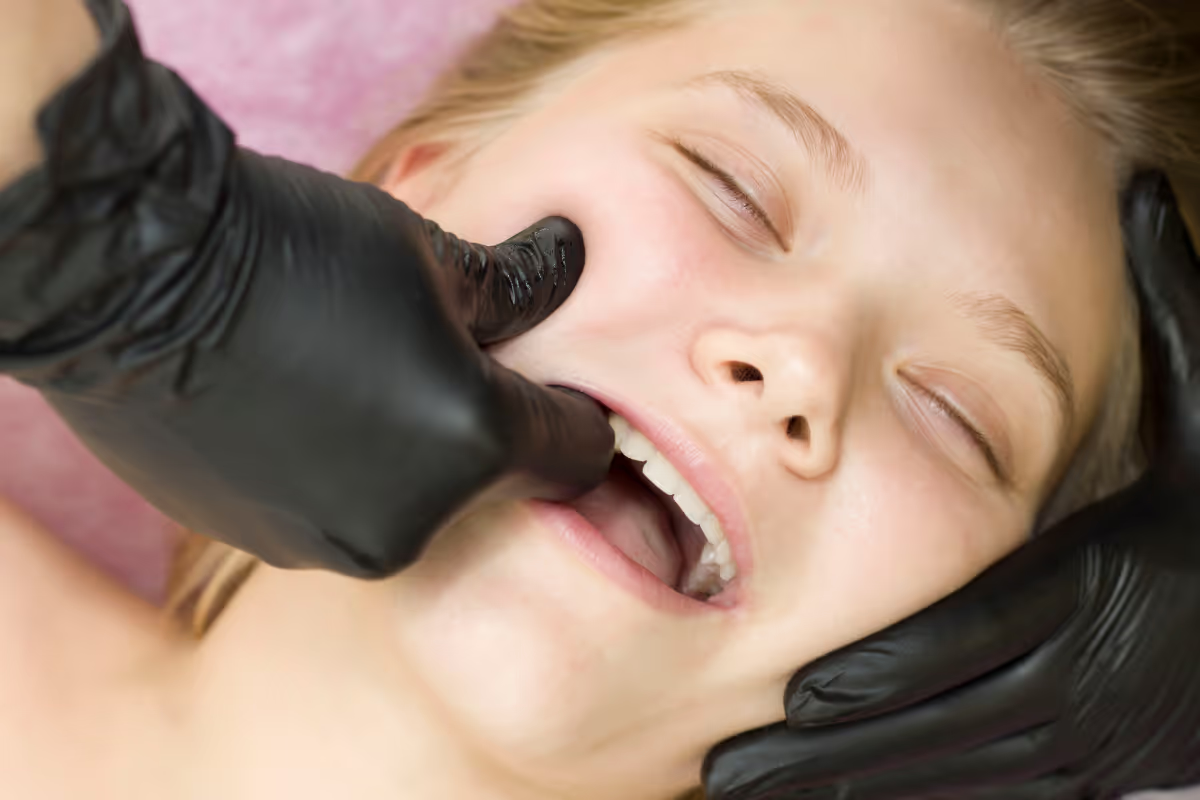
Lily Corley offers intraoral massage — a specialized therapy that works from inside the mouth to release tension in the jaw and surrounding muscles. This technique targets the masseter, pterygoid, and other deep muscles often involved in clenching, grinding, and TMJ pain.
Lily frequently combines intraoral massage with Oralase® laser therapy to release tight oral tissues and achieve the best clinical outcomes. Together, these treatments can reduce headaches, improve jaw mobility, relieve clicking or popping, and support orthodontic or TMJ therapy by helping the muscles and soft tissues relax into a healthier position.
Surface Electromyography (sEMG)
Surface Electromyography (sEMG)
Surface Electromyography (sEMG)
Surface electromyography (sEMG) from Myotronics® is a non-invasive diagnostic tool that measures the activity and resting tone of the muscles involved in chewing, jaw movement, and head and neck posture.
Electromyography helps us identify which muscles are functioning normally and which are dysfunctional, allowing us to detect patterns of overactivity, imbalance, fatigue, and strain that may contribute to jaw pain, headaches, facial pain, neck discomfort, and clenching or grinding. sEMG provides objective data that complements the clinical examination, helping us understand how the muscles are functioning and how they respond to treatment. By combining sEMG with other advanced diagnostic tools, we can gain a more complete picture of the chewing system and develop a personalized treatment plan aimed at restoring comfort and healthy function.
Computerized Jaw Tracking
Computerized Jaw Tracking
Computerized Jaw Tracking
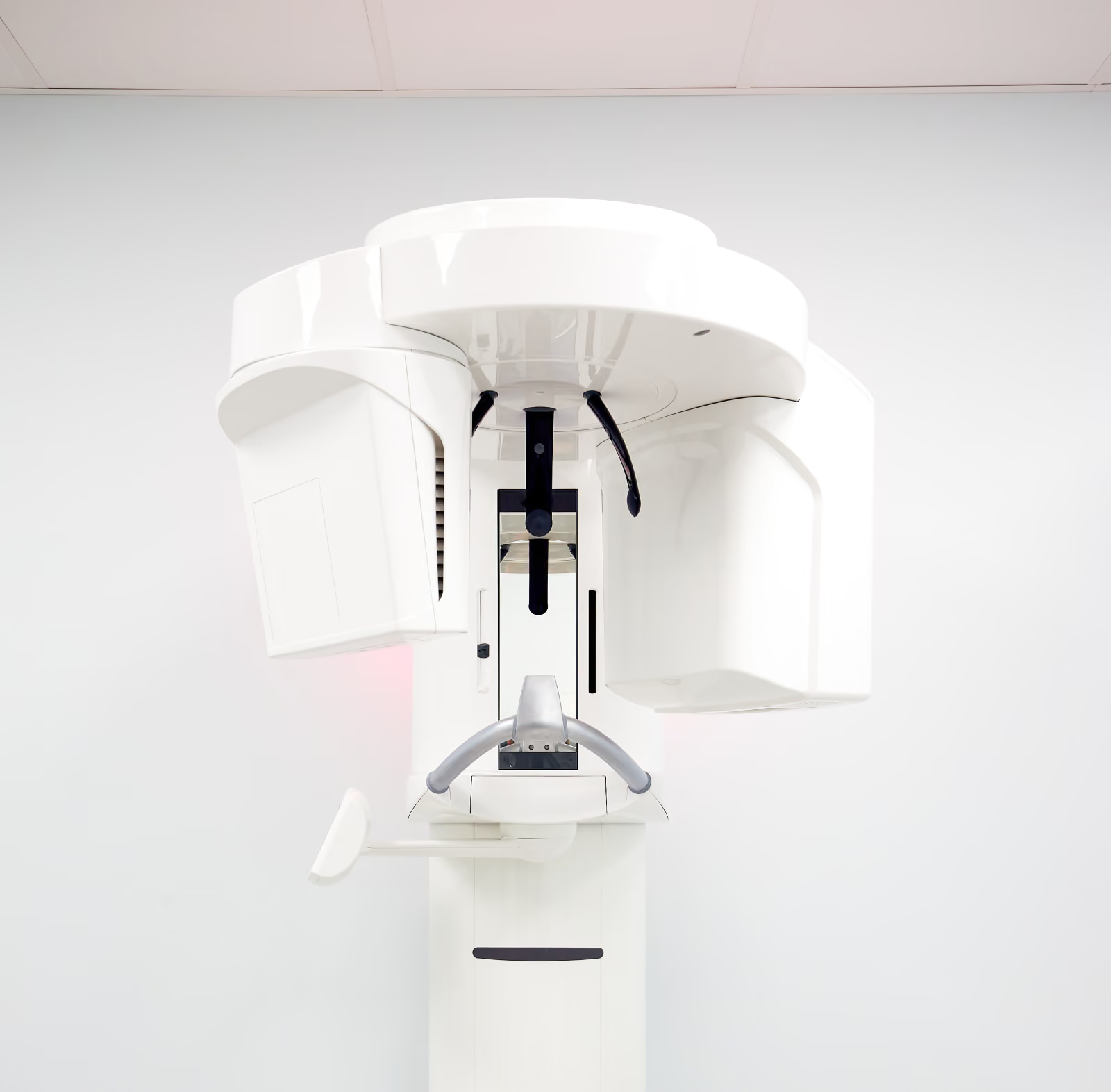
Computerized jaw tracking from Myotronics® is an extremely precise, non-invasive diagnostic technology that records and analyzes the movement of the lower jaw in three dimensions. By visualizing the jaw in motion, we can identify abnormal movement patterns, restrictions, and functional imbalances that may not be apparent during a clinical examination alone. Jaw tracking allows us to precisely evaluate the closing trajectory of the jaw and helps us determine the optimal physiologic jaw position for healthy, efficient function. This objective data provides valuable insight into the coordination of the teeth, muscles, and jaw joints and helps guide treatment decisions. When combined with a comprehensive examination and other advanced diagnostics, jaw tracking allows us to develop a personalized treatment plan aimed at restoring comfort, stability, and long-term function.
VagusLase®
VagusLase®
VagusLase®
VagusLase® is a gentle, non-invasive laser therapy designed to support the autonomic nervous system by stimulating pathways associated with the vagus nerve. Using specific wavelengths of light, VagusLase aims to promote parasympathetic (“rest and digest”) activity, helping the body shift away from chronic stress and toward a more balanced physiologic state. By supporting nervous system regulation, VagusLase may help improve resilience, relaxation, sleep quality, recovery, and overall well-being. Treatments are comfortable, require no downtime, and can be incorporated into a comprehensive approach to airway, TMJ, and whole-body health.
SilentEar®
SilentEar®
SilentEar®
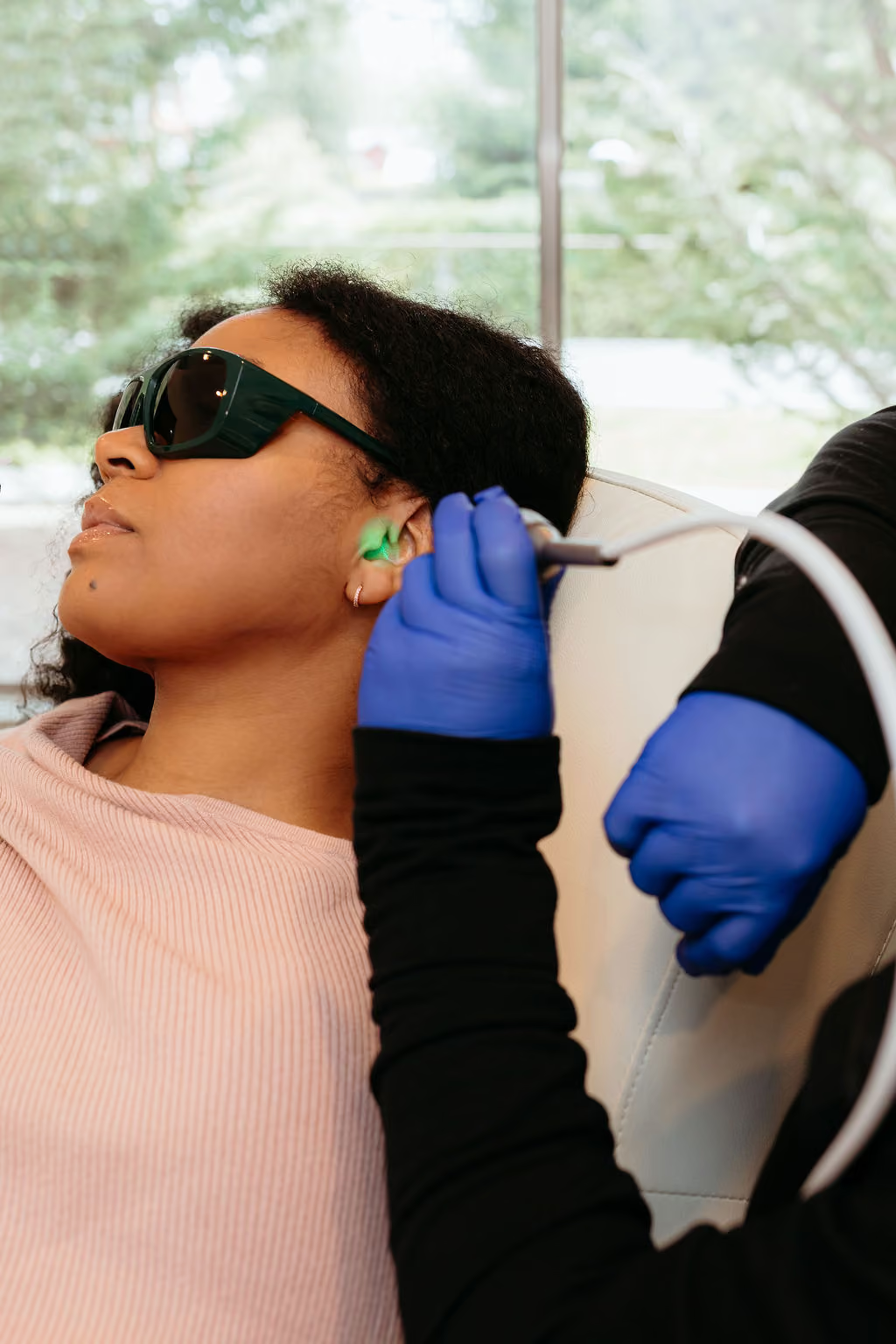
SilentEar® is a gentle, non-invasive laser therapy designed to support the health and function of the ear. Using specific wavelengths of light, SilentEar aims to reduce inflammation, improve circulation, and promote healthy tissue function within the structures associated with hearing and ear pressure regulation. Patients commonly seek treatment for concerns such as ear fullness, pressure, recurrent ear issues, Eustachian tube dysfunction, and tinnitus. While individual responses vary, many patients report improvements in tinnitus symptoms and overall ear comfort. Treatments are comfortable, require no downtime, and can be incorporated into a comprehensive approach to ear and airway health.
FAQs
Have questions? We have answers.
How do I know if I need TMJ/TMD therapy?
Symptoms like jaw pain, difficulty chewing, clicking sounds when moving the jaw, and frequent headaches may indicate a TMJ disorder. However, there are more symptoms than you may realize associated with TMJ disorders. A thorough evaluation by our integrated team can confirm if therapy is needed. Here's a more comprehensive list of potential symptoms of TMD to look out for:
- Head:
- Recurring headaches
- Head tension
- Shooting pain up back of head
- Scalp painful to touch
- Jaw:
- Clicking or popping
- Grating sounds
- Pain in cheek muscles
- Uncontrollable jaw movements
- Mouth & Teeth:
- Discomfort
- Bruxism or grinding
- Jaw deviation
- Lacks shut or open
- Eyes:
- Pain behind eyes
- Bloodshot eyes
- Sensitive to sunlight
- Ears:
- Hissing, buzzing, or ringing
- Decreased heading
- Ear pain with no infection
- Clogged itchy ears
- Vertigo, dizziness
- Throat
- Difficulty swallowing
- Frequen coughing or throat clearing
- Feeling of foreign object in throat
- Sore throat with no infection
Are TMJ/TMD treatments painful?
No—most TMJ/TMD treatments are designed to relieve pain, not cause it. Our approach focuses on gentle, non-invasive techniques like ultra-low frequency TENS, laser therapy, and custom orthotics. These treatments are typically very comfortable and well-tolerated. Our goal is to ease muscle tension, improve jaw function, and help you feel better—without added discomfort.
How long does it take to see improvement with TMJ/TMD therapy?
Improvement timelines vary based on the individual and the treatment method. Some patients experience relief shortly after beginning therapy, while others may see gradual improvement over several weeks or months.
Have more questions, fill out the form below
What our patients say
Don’t just take our word for it! Read reviews from patients we’ve helped, and see for yourself what’s possible at O2dontics.

Transform Your Life Today